Choosing a deodorant might seem straightforward, but with countless formulations promising different results, finding your perfect match requires thoughtful consideration. This guide will help you navigate the options to select a product that aligns with your body’s chemistry, lifestyle, and values.
1. Identify Your Core Need: Deodorant vs. Antiperspirant
This is the most crucial first step, as they function differently.
- Deodorant: Controls odor only. It uses antibacterial agents (like alcohol or plant-based alternatives) to neutralize the bacteria that cause smell when they mix with sweat. It does not stop wetness.
- Antiperspirant: Controls both wetness and odor. It uses aluminum-based compounds to temporarily block sweat ducts, reducing moisture. This is the best choice if sweat marks are a primary concern.
- For Sensitive Skin or Aluminum-Free Preferences: A pure deodorant is often gentler and the clear choice for those wishing to avoid aluminum.
2. Select the Right Formulation for Your Skin and Routine
The format of the product affects its application, feel, and effectiveness.
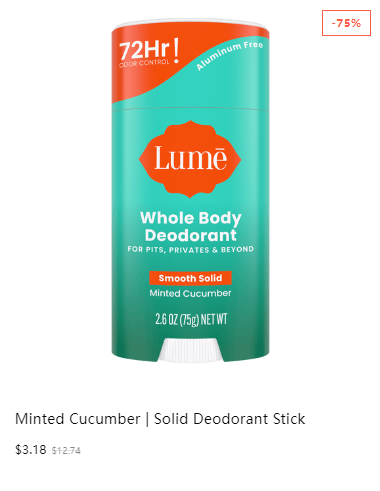
- Stick/Solid: The most common. Provides good control and is generally less messy. Look for smooth-glide formulas to avoid irritation.
- Roll-On/Liquid: Often absorbed quickly and can feel wet initially. Some find them very effective, but require drying time.
- Gel: Clear and fast-drying, excellent for avoiding white marks on dark clothing. Can feel cool or slightly sticky upon application.
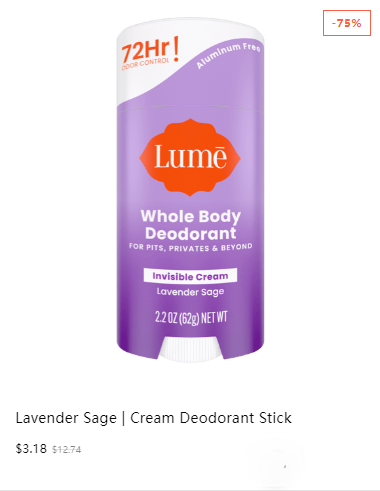
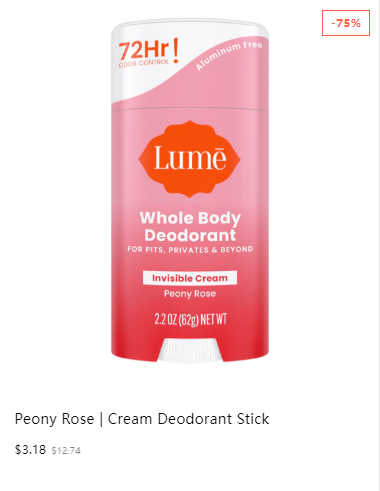
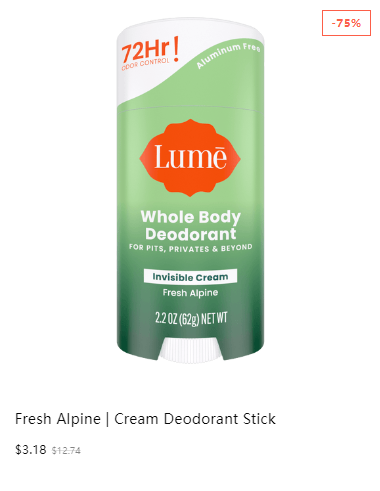
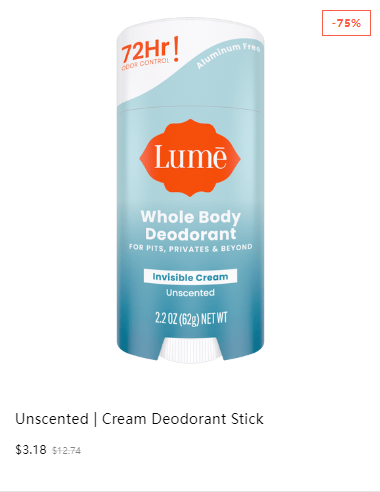
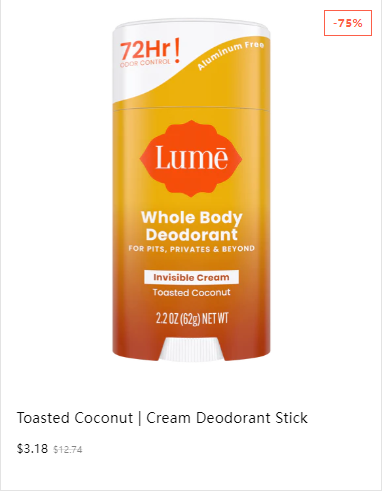
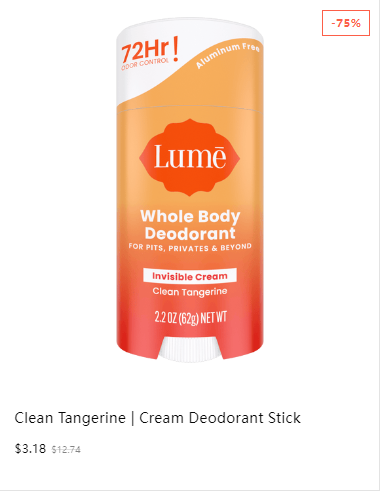
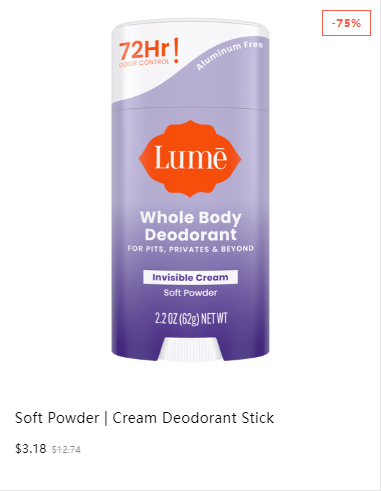
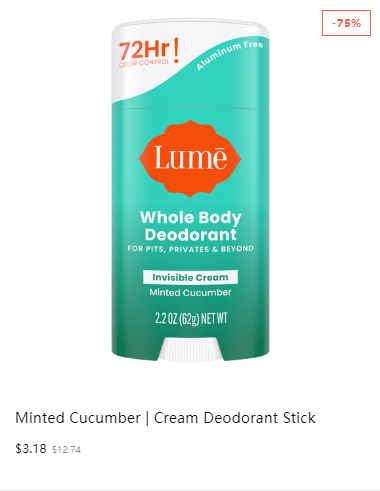
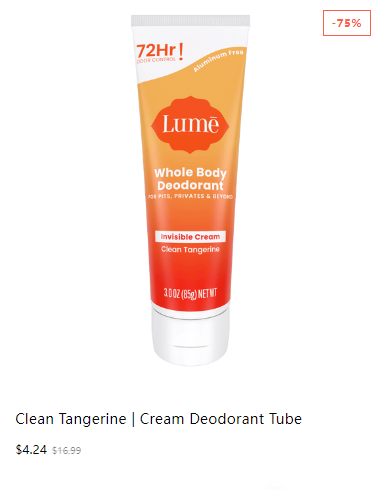
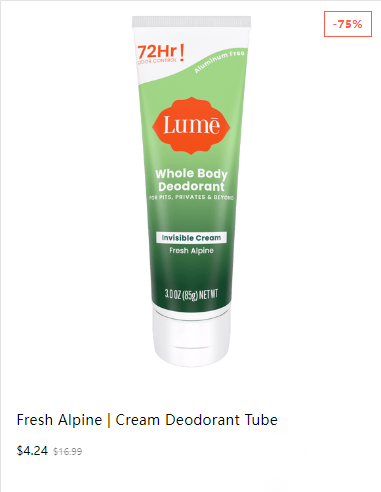
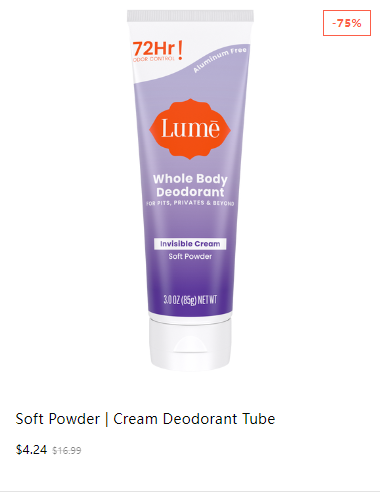
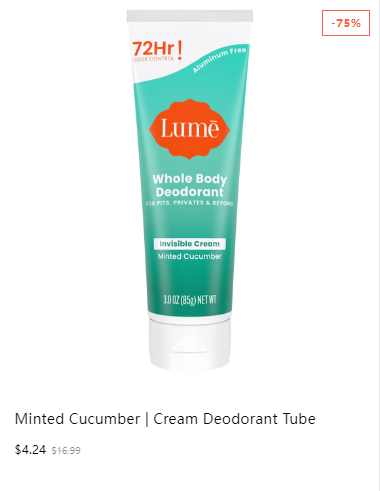
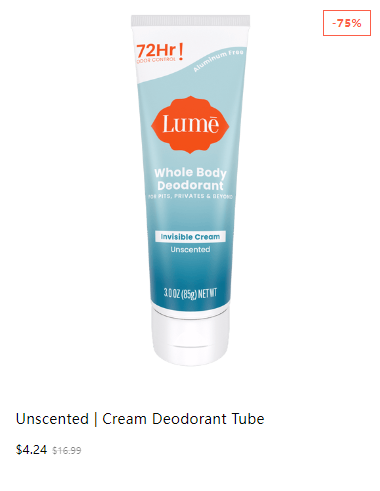
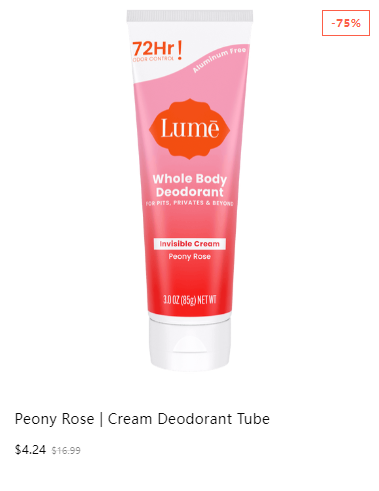
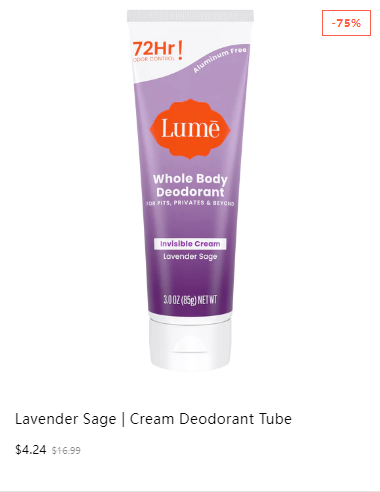
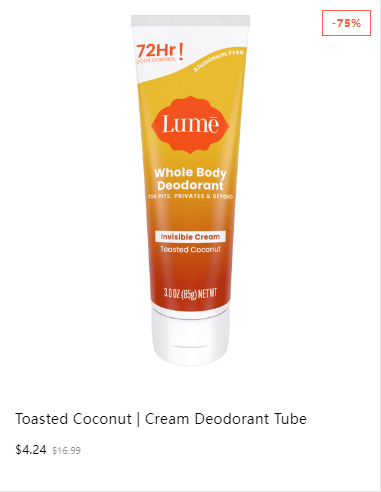
- Cream/Balm: Often found in natural brands. Applied with fingertips. Tends to be very effective for odor control and gentle on skin, but requires a hands-on application.
- Spray/Aerosol: Dries instantly and feels lightweight. Good for large areas or quick application, but fragrance can be airborne, which may not suit those with respiratory sensitivities.
3. Consider Your Skin Type and Sensitivities
Your underarm skin is delicate. The wrong product can cause irritation, redness, or itching.
- For Sensitive Skin: Seek out fragrance-free, alcohol-free, and dye-free formulas. Look for soothing ingredients like aloe vera, calendula, or chamomile.
- If Prone to Ingrown Hairs or Razor Burn: Avoid products with heavy fragrances and alcohol immediately after shaving. A gentle cream or stick formula is often best.
- Ingredient Awareness: If you have specific allergies or preferences (e.g., parabens, baking soda, aluminum), scrutinize the ingredient list carefully.
4. Evaluate Scent Profile and Strength
Scent is a personal preference and serves different purposes.
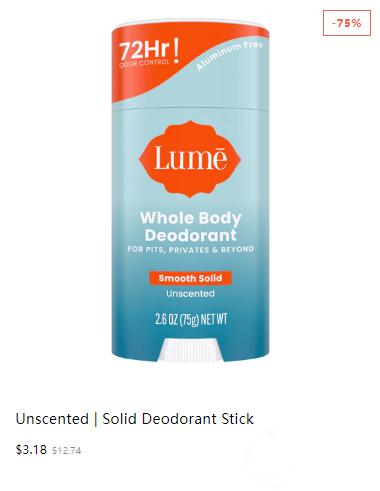
- Unscented/Fragrance-Free: Ideal for sensitive skin or if you don’t want to clash with your perfume/cologne.
- Lightly Scented: Offers a fresh, clean background note that doesn’t overpower.
- Boldly Scented: Designed to provide a lasting fragrance throughout the day.
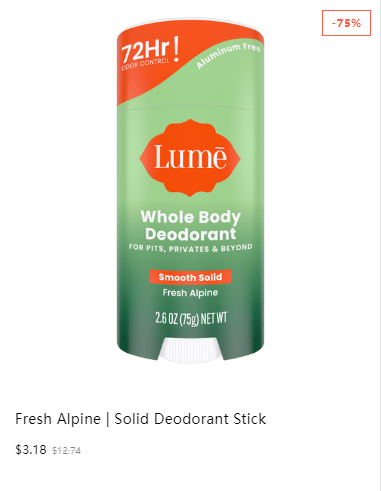
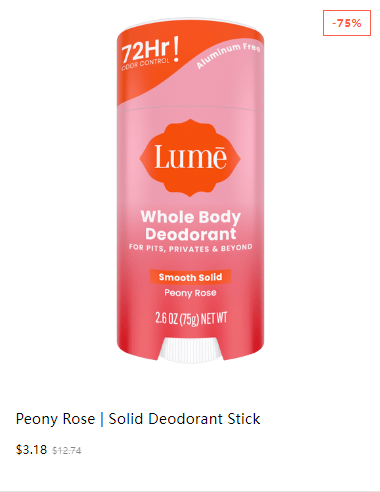
- Scent Types: Common categories include fresh/clean, citrus, woody, and herbal. Choose one you enjoy, as you’ll smell it on yourself.
5. Assess Performance Claims and Lifestyle Fit
Match the product’s promised performance to your daily activities.
- For Everyday/Office Use: A standard 24-hour protection formula is usually sufficient.
- For Athletic or Active Lifestyles: Look for terms like “sport,” “clinical strength,” “extra endurance,” or “48-hour protection.” These are formulated to withstand intense physical activity and stress-induced sweating.
- For Travel: Consider size (under 100ml for carry-on liquids) and packaging that won’t leak (secure caps for sticks, travel locks for sprays).